
SHe-Box Portal Pushes Companies to Take Workplace Harassment Complaints Seriously: 2025 Report
A total of 254 women filed formal complaints of workplace sexual harassment on the government’s revamped ‘SHe-Box’ portal in 2025, according to data shared by the Ministry of Women and Child Development in Parliament.
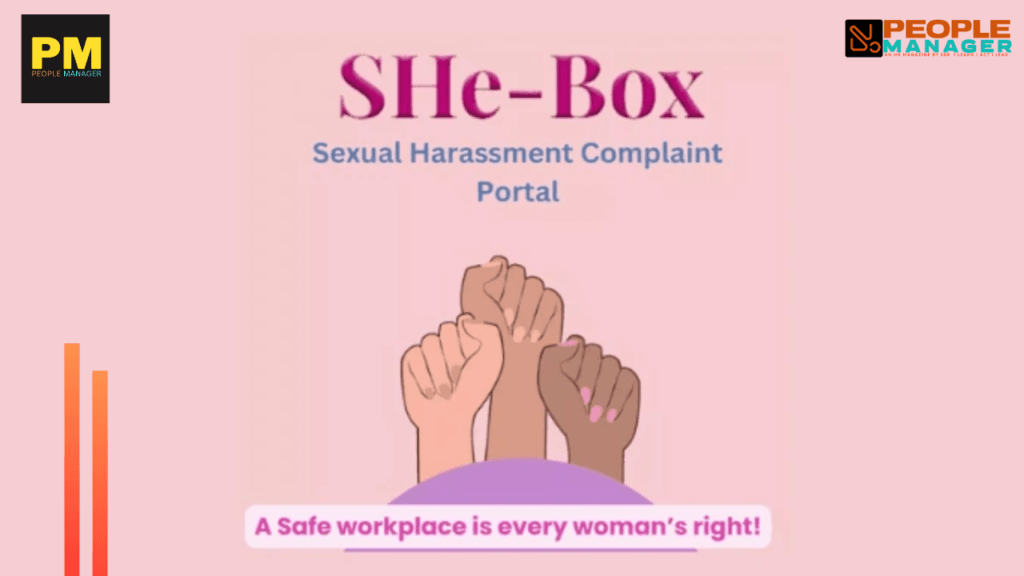
In 2025, India’s workplace safety landscape witnessed a significant digital transformation with the revamped SHe-Box (Sexual Harassment electronic Box) portal. According to official data presented in Parliament, 254 workplace sexual harassment complaints were filed on the platform during the year, underscoring both the scale of the challenge and the growing confidence among women employees in using formal redressal mechanisms.
For C-Suite leaders, this development is more than a compliance milestone—it signals a cultural shift toward digital accountability, transparency, and zero tolerance in workplace governance. The portal’s integration with the POSH Act, 2013 (Prevention of Sexual Harassment of Women at Workplace) provides a centralized, real-time monitoring system that executives must now view as a critical component of organizational risk management and employee trust-building.
The Digital Evolution of SHe-Box
- Launch & Revamp: Originally introduced in 2017, the portal was relaunched in August 2024 with enhanced features, multilingual support, and real-time complaint tracking.
- Complaint Statistics: Since its relaunch, 296 complaints have been filed, with 254 in 2025 alone.
- Resolution Rate: Of these, 105 cases have already been disposed of, reflecting improved efficiency in inquiry processes.
For executives, these numbers highlight two realities:
- Increased Reporting Confidence – Employees are more willing to come forward when digital confidentiality is assured.
- Operational Accountability – Organizations must now ensure their Internal Committees (ICs) and Local Committees (LCs) are fully aligned with the portal’s monitoring system.
Centralized Monitoring and Real-Time Redressal
The SHe-Box portal is not just a reporting tool—it is a governance framework.
- Single-Window Confidentiality: Women employees can lodge complaints without fear of exposure.
- Automated Alerts: If a complaint remains unresolved beyond the statutory 90-day inquiry period, the system triggers freeze messages and SMS alerts to nodal officers.
- Executive Implication: This automation removes the possibility of procedural delays being overlooked. For C-Suite leaders, it means non-compliance is immediately visible to regulators.
This mechanism transforms workplace safety from a policy-driven initiative into a digitally enforced compliance mandate.
Expanding the Institutional Safety Net
The government’s onboarding drive has created a national repository of workplace committees:
- Registered Workplaces: Over 1,48,700 establishments are now on the portal.
- Government: ~92,400
- Private Firms: ~56,300
- Internal Committees (ICs): More than 60,700 active ICs are listed.
- Local Committees (LCs): Coverage across 777 districts, ensuring access for women in the unorganized sector, including domestic workers.
Why This Matters for Executives
- Risk Mitigation: A centralized repository ensures that organizations cannot bypass POSH compliance.
- Cultural Integration: For multinational corporations and MSMEs alike, the presence of ICs and LCs is now a non-negotiable governance requirement.
- Inclusivity: Extending coverage to unorganized sectors signals a broader social responsibility mandate that leaders must embrace.
Strengthening Workplace Culture
The Ministry of Women and Child Development has emphasized that the portal is not just about compliance—it is about cultural transformation.
- National Conference on Workplace Safety: Focused on bridging the gap between policy and practice.
- Digital Literacy Initiatives: Training programs ensure employees across districts can access and use the portal effectively.
- Multilingual Support: Expands accessibility across India’s diverse workforce.
- Real-Time Tracking: Empowers employees to monitor the progress of their complaints.
For C-Suite leaders, this evolution demands a shift in organizational mindset:
- From reactive compliance to proactive culture-building.
- From policy documentation to digital governance integration.
- From localized committees to nationally monitored accountability.
Implications for C-Suite Leadership
1. Compliance as a Strategic Priority
Executives must recognize that POSH compliance is no longer a legal checkbox—it is a strategic risk management tool. Non-compliance now carries reputational, legal, and financial consequences amplified by digital transparency.
2. Technology-Driven Governance
The SHe-Box portal represents a broader trend: digital enforcement of workplace laws. Leaders must prepare for similar platforms in areas such as wage compliance, contract management, and labor law audits.
3. Employee Trust and Retention
Workplace safety is directly linked to employee engagement and retention. A transparent, accessible redressal mechanism signals to employees that leadership is committed to their well-being.
4. Global Benchmarking
India’s SHe-Box initiative positions the country as a global case study in digital workplace safety governance. For multinational executives, this offers both a compliance model and a reputational advantage in ESG (Environmental, Social, and Governance) reporting.
Challenges Ahead
While the portal marks a significant leap, executives must anticipate challenges:
- Awareness Gaps: Many employees, especially in rural or unorganized sectors, may still be unaware of the portal.
- Committee Effectiveness: Internal Committees must be trained to handle cases with sensitivity and efficiency.
- Cultural Resistance: In some organizations, entrenched hierarchies may resist transparent reporting.
- Data Security: Ensuring confidentiality in digital systems is critical to maintaining trust.
Strategic Recommendations for C-Suite Leaders
Integrate POSH Training into Leadership Development
- Ensure that every manager and executive understands both the legal and cultural dimensions of workplace safety.
Leverage Digital Dashboards
- Use compliance dashboards to monitor IC performance, complaint resolution timelines, and employee awareness initiatives.
Embed Safety in ESG Reporting
- Highlight workplace safety initiatives in sustainability and governance disclosures to strengthen investor confidence.
Champion a Zero-Tolerance Culture
- Publicly reinforce that harassment of any kind will not be tolerated, and ensure disciplinary actions are consistent and transparent.
Collaborate with Government Initiatives
- Partner with ministries and industry bodies to enhance awareness campaigns and contribute to national conferences.
Conclusion: From Compliance to Culture
The SHe-Box Report 2025 is more than a statistical update—it is a leadership call to action. With 254 complaints filed in a single year, the portal has proven its relevance and necessity. For executives, the message is clear:
- Digital governance is the future of compliance.
- Workplace safety is inseparable from organizational culture.
- Employee trust is built on transparency, accountability, and zero tolerance.
As India moves toward a digitally enforced compliance ecosystem, C-Suite leaders must position themselves not just as custodians of policy but as champions of workplace dignity and safety. The SHe-Box portal is a reminder that in the modern workforce, technology and culture must converge to protect, empower, and inspire. For further insights into the evolving workplace paradigm, visit

- Shilpa Kalathur on Plugging the ‘Leaky Pipeline’ via Flexible Tech Ecosystems - October 10, 2026
- Ashish Gupta on Employee Benefits : Are they Ready for the “Sandwich Generation”? - October 10, 2026
- Zypp Electric Expands Employee Ownership with ₹11 Crore ESOP Allocation - October 2, 2026







1 thought on “SHe-Box Portal Pushes Companies to Take Workplace Harassment Complaints Seriously: 2025 Report”