
Managing India’s Blue-Collar Workforce: HR, Compliance, Leadership, and the Future of Facilities Management
As Blue-Collar workplaces become increasingly technology-driven, the role of the facilities workforce is also evolving. Smart buildings, energy optimization systems, and digital monitoring tools are transforming how infrastructure is maintained and managed.
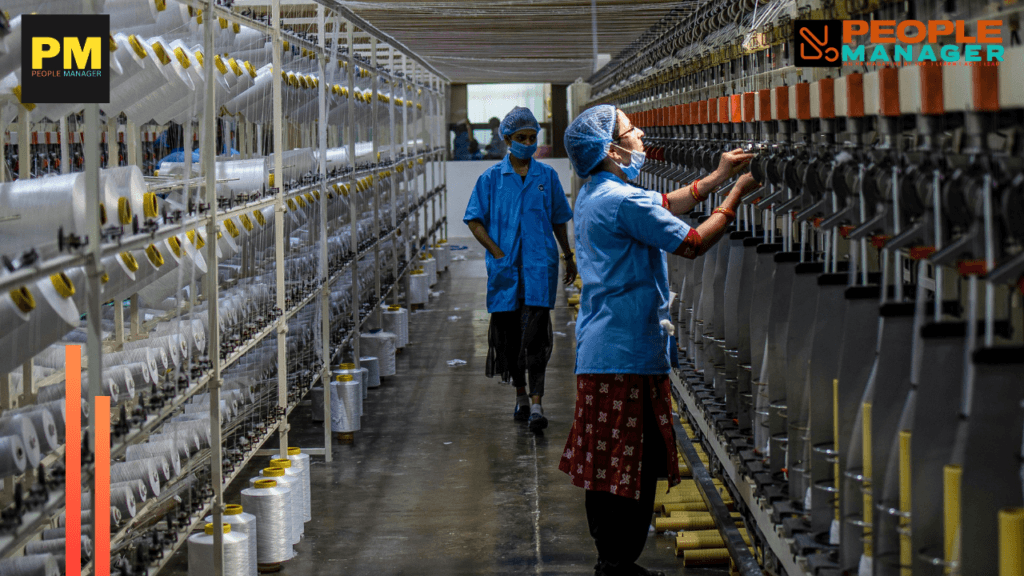
Across India’s rapidly expanding corporate landscape, the smooth functioning of workplaces often depends on a frontline workforce that remains largely invisible despite being indispensable to business continuity. From maintaining complex building systems to ensuring workplace safety and operational continuity, the facilities management (FM) workforce plays a crucial role in modern organizations.
Yet managing this workforce presents unique HR challenges. Facilities management teams are typically large, dispersed across multiple locations, and composed predominantly of blue-collar professionals such as technicians, electricians, plumbers, and housekeeping staff. Unlike traditional corporate employees, these workers operate in environments where operational discipline, safety compliance, and workforce stability must coexist.
For HR professionals working in this sector, the challenge lies not only in ensuring compliance with regulatory frameworks but also in building a culture that respects the dignity, development, and long-term engagement of frontline employees.
The Compliance Challenge in Multi-Site Operations
With India’s labour law reforms centred around the four Labour Codes, HR professionals in facilities management must proactively prepare their organisations for evolving compliance, documentation, and workforce governance requirements.
One of the defining characteristics of the facilities management sector is multi-site workforce deployment. HR teams frequently manage employees across dozens or even hundreds of operational sites.
This distributed structure creates several compliance complexities:
- Navigating diverse labour laws and statutory requirements across multiple states.
- Ensuring compliance with the Contract Labour (Regulation and Abolition) framework.
- Ensuring statutory benefits and wage compliance
- Maintaining safety standards at client facilities
In such environments, compliance cannot remain a purely administrative function. Instead, it must evolve into an operational culture supported by leadership, supervisors, and frontline employees.
Organizations that succeed in this area typically integrate compliance with daily operational processes, including regular safety briefings, training programs, and supervisory accountability.
The Human Side of Blue-Collar Workforce Management
While compliance frameworks are essential, effective workforce management in the facilities sector requires a deep understanding of human dynamics.
Many blue-collar employees enter the workforce with limited access to formal training opportunities. As a result, HR leaders must often bridge the gap between technical skill development and long-term career growth.
Several practical strategies have emerged as effective approaches:
Skill Development and Upskilling
Continuous training programs help technicians adapt to evolving technologies such as smart building systems, energy-efficient infrastructure, and predictive maintenance tools.
Career Pathways
Providing structured opportunities for employees to progress from technician roles to supervisory or specialist positions significantly improves retention.
Workplace Dignity
Ensuring respect and fair treatment for frontline employees contributes to stronger engagement and workplace stability.
In many cases, the most successful HR strategies are those that treat blue-collar professionals not merely as operational resources but as long-term contributors to organizational success.
Leadership and Culture: Building Trust Across the Workforce
Another critical factor in workforce stability is leadership engagement. In operational industries like facilities management, employees often interact more frequently with site supervisors than with corporate leadership.
This makes middle-management leadership capability a key driver of workforce culture.
Industry leaders frequently highlight four essential pillars for managing large frontline teams effectively:
- Operational discipline
- Transparent communication
- Consistent compliance
- Employee recognition and inclusion
When these elements are reinforced through leadership behaviour, employees develop a stronger sense of accountability and trust within the organization.
Human-Centric Leadership in Difficult Moments
In operational sectors such as facilities management, HR leadership is often tested during difficult moments rather than routine operations. Over the years, safety culture has become a central focus in many organizations, and maintaining a strong safety record is a priority across multiple worksites. For example, in one leading facilities management organisation, maintaining a workplace environment where employee safety is taken seriously has been an ongoing commitment.
However, organizations are sometimes called upon to demonstrate compassion beyond the workplace. I recall a deeply moving incident involving a housekeeping supervisor who passed away at his residence. In response, colleagues across multiple locations voluntarily contributed a day’s salary to support the employee’s family, and the organization also extended financial assistance. Together, these efforts created a meaningful support system for the family during an extremely difficult time.
More importantly, the organization facilitated an employment opportunity for the employee’s spouse, helping the family regain financial stability. Such actions reflect an evolving approach in workforce management—one that recognizes that organizations are not merely employers but communities that stand with employees and their families during moments of hardship.
These experiences reinforce the importance of empathy, dignity, and inclusive opportunities, particularly for women entering the workforce after unexpected life events.
Retention in a High-Turnover Sector
Employee turnover remains one of the most persistent challenges in the facilities management industry. Unlike many corporate roles, frontline FM positions often face high mobility and intense competition for skilled technicians.
Addressing this challenge requires HR teams to move beyond traditional retention approaches.
Key strategies include:
- Investing in structured training programs
- Providing transparent wage and benefit systems
- Recognizing employee contributions at the site level
- Building long-term employment relationships
Organizations that succeed in these areas often find that workforce stability becomes a strategic advantage rather than a persistent operational risk.
The Future of Facilities Workforce Management
As workplaces become increasingly technology-driven, the role of the facilities workforce is also evolving. Smart buildings, energy optimization systems, and digital monitoring tools are transforming how infrastructure is maintained and managed.
As India’s infrastructure and corporate environments continue to expand, the importance of professionally managed facilities workforces will only increase.
This transformation will require HR leaders to rethink workforce strategies in several ways:
- Preparing technicians for technology-enabled maintenance systems
- Integrating digital training platforms for workforce development
- Strengthening safety standards in complex infrastructure environments
In this context, the facilities workforce will increasingly shift from manual maintenance roles toward technically skilled operational specialists.
Artificial Intelligence (AI), predictive maintenance, IoT-enabled infrastructure, digital work-order systems, and mobile workforce applications are reshaping facilities management. HR leaders must therefore focus not only on technical upskilling but also on developing digital readiness and adaptability among frontline employees.
Conclusion: Reframing the Value of the Frontline Workforce
As organizations continue to modernize their workplaces with advanced infrastructure, smart technologies, and evolving operational models, the role of the frontline workforce remains fundamental to sustaining these environments. Technicians, housekeeping teams, maintenance professionals, and other operational staff form the backbone of the facilities management ecosystem. Yet, their contributions often remain under-recognized in broader conversations about organizational performance and workplace transformation.
For HR leaders, the challenge is not only to ensure regulatory compliance and operational efficiency but also to redefine how frontline employees are perceived and supported within the organizational framework. A truly progressive workforce strategy recognizes that blue-collar professionals are not simply service providers; they are skilled contributors whose dedication directly influences workplace safety, reliability, and employee experience across organizations.
This requires a shift in perspective. Compliance frameworks must be complemented by continuous skill development, fair employment practices, and leadership engagement that promotes dignity and respect for every role within the organization. When employees feel valued and supported, their commitment to quality, safety, and teamwork naturally strengthens.
Looking ahead, the future of workplace management will increasingly depend on organizations that combine technology, compliance discipline, and human-centred leadership. HR professionals have a critical role in shaping this transition by creating environments where every employee—regardless of role or designation—feels respected, protected, and empowered to grow.
Ultimately, the future of facilities management will not be defined solely by smarter buildings or advanced technology, but by organisations that invest equally in compliance, capability, compassion, and the frontline professionals who keep workplaces running every day. For further insights into the evolving workplace paradigm, visit