
Storytelling as a Learning Intervention: Reclaiming India’s Narrative Pedagogy
In India, storytelling is not a modern invention but an ancient pedagogical intelligence. From ancient times, texts such as the Panchatantra, Hitopadesha, Jataka Tales, and the Mahabharata used narrative to encode principles of ethics, governance, and human conduct through relatable plots and moral consequences. Traditional education privileged Katha-Pravachana, the dialogic and reflective storytelling that fostered intellectual, moral, and spiritual growth through participatory learning.
Despite widespread calls for more engaging and meaningful approaches, traditional didactic instruction remains the dominant learning intervention. Storytelling, defined as the purposeful use of narrative structure (characters, events, and causality) to make sense of information or experience, offers a compelling alternative that embeds lessons in context, activates emotional and cognitive engagement, and supports meaning‐making. In both leadership communication and knowledge management, stories help individuals navigate complexity, transmit tacit knowledge, and ground values in lived experience (Denning, 2011; Sole and Wilson, 2002).
In India, storytelling is not a modern invention but an ancient pedagogical intelligence. From ancient times, texts such as the Panchatantra, Hitopadesha, Jataka Tales, and the Mahabharata used narrative to encode principles of ethics, governance, and human conduct through relatable plots and moral consequences. Traditional education privileged Katha-Pravachana, the dialogic and reflective storytelling that fostered intellectual, moral, and spiritual growth through participatory learning.
The renewed focus on Indian Knowledge Systems (IKS) under the National Education Policy (NEP, 2020) invites a rediscovery of these traditions, not as a form of cultural nostalgia, but as a source of design intelligence for contemporary organizational learning. This article argues that storytelling, in both traditional and digital forms, serves as a powerful learning intervention that bridges indigenous epistemologies and global evidence.
Storytelling in the Indian Knowledge System
The IKS is based on three interlinked principles essential to learning organizations: Dṛṣṭiḥ (perspective), Paramparā (tradition), and Laukikaprayojanam (practical utility).
Dṛṣṭiḥ denotes cultivated perspective, the worldview that shapes how knowledge is interpreted and applied. In organizational learning, this translates into reflective awareness, the ability to view problems through multiple lenses and situate personal experiences within larger ethical or systemic frameworks. Storytelling nurtures this capacity by inviting learners to assume diverse roles and engage with moral dilemmas.
Paramparā signifies the continuity of knowledge through tradition—not as rigid repetition but as dynamic transmission. Within organizations, it resonates with mentoring, leadership storytelling, and the transfer of tacit knowledge across generations. Narratives of origin, struggle, and transformation preserve institutional memory and link present action to a shared past.
Laukikaprayojanam emphasizes the practical application of knowledge. In the IKS frame, learning is incomplete until it demonstrates worldly relevance. Storytelling embodies this utility by turning abstract principles into lived experience; stories of empathy, ethical choice, or adaptive leadership make learning actionable, bridging theory and practice.
Together, these principles position storytelling as a living pedagogy, uniting perspective, continuity, and pragmatic wisdom. Each narrative becomes a cognitive, emotional, and ethical simulation through which learners “rehearse” judgment and choice. The Panchatantra, designed as a curriculum in political and behavioural wisdom, mirrors modern case-based learning. Each fable presents a dilemma, invites dialogue, and concludes with reflection. Similarly, the Mahabharata models reflective inquiry by presenting competing moral positions rather than prescribing a single truth. Both texts illustrate IKS synthesis: perspective (dṛṣṭiḥ), inherited wisdom (paramparā), and practical guidance (laukikaprayojanam). For contemporary organizations, these principles transform storytelling from a facilitation tool into a culturally grounded learning design.
Why Storytelling Works as a Learning Intervention
Modern learning theory explains the impact of storytelling across cognitive, emotional, and social domains, aligning with IKS concepts.
Mechanism | Empirical Evidence | IKS Parallel |
Cognitive organization | Bruner (1991): narratives give structure to experience. | Shruti–Smriti: learning through hearing and remembrance. |
Emotional engagement | Bell (1992); Denning (2011): emotion enhances retention. | Rasa: affective resonance as a pathway to insight. |
Social meaning-making | Sole & Wilson (2002): stories enable collective sensemaking. | Samvāda: dialogue as shared reflection. |
Tacit knowledge transfer | Ritti (1994): employees “learn the ropes” through workplace stories. | Paramparā: knowledge continuity through example. |
Ethical simulation | Kakar (2011): stories surface moral ambiguity. | Dharma: contextual right action. |
Storytelling in Indian Organizational Practice
Several Indian organizations exemplify storytelling as a developmental practice. At the Infosys Leadership Institute, “Leaders Teach” sessions feature senior leaders narrating critical incidents to transfer tacit wisdom, mirroring the guru–śiṣya tradition. Tata Group’s Stories of Purpose campaign embeds founder narratives and ethical milestones into induction and value programs, reinforcing its core principles of integrity, responsibility, and unity. The Mahindra Group’s Future Leaders Programme utilizes Failure Stories to normalize learning from errors. At the same time, the Azim Premji Foundation integrates folk forms, such as Kavad Katha, into teacher education to make learning culturally resonant.
Across these cases, storytelling serves as an interpretive bridge, connecting organizational purpose with personal meaning, policy with lived experience, and knowledge with ethics.
Designing IKS-Inspired Storytelling Interventions
Drawing from IKS and modern learning research, five design anchors can guide storytelling-based interventions:
- Dialogic Design (Samvāda): Foster co-created narratives that reveal systemic interconnections and collective insight.
- Contextual Ethics (Dharma): Present moral ambiguity to encourage reflection and situational judgment.
- Experiential Reflection (Anubhava): Pair stories with journaling, peer dialogue, or sensemaking circles.
- Affective Aesthetics (Rasa): Use vernacular idioms and performative media to evoke emotion and imagination.
- Knowledge Continuity (Paramparā): Institutionalise storytelling through mentoring, archives, or intergenerational forums to ensure its preservation and transmission.
These anchors reposition storytelling from an HR technique to a pedagogical design logic, aligning with Senge’s (1990) disciplines of the learning organization.
Practical Implications
For L&D professionals:
- Curate authentic stories, successes, dilemmas, and failures for reflective workshops.
- Localize storytelling through regional languages and folk idioms to deepen cultural connection.
- Train facilitators in narrative pedagogy, emphasizing dialogue over instruction.
- Integrate classical narratives into leadership programs, e.g., reinterpreting Arjuna’s moral paralysis in the Bhagavad Gita as a metaphor for managerial indecision.
- Build story banks and mentoring platforms that sustain tacit knowledge across generations.
Such practices shift organizations from knowledge-transfer systems to knowledge-creating cultures, a hallmark of the learning organization (Nonaka and Takeuchi, 1995).
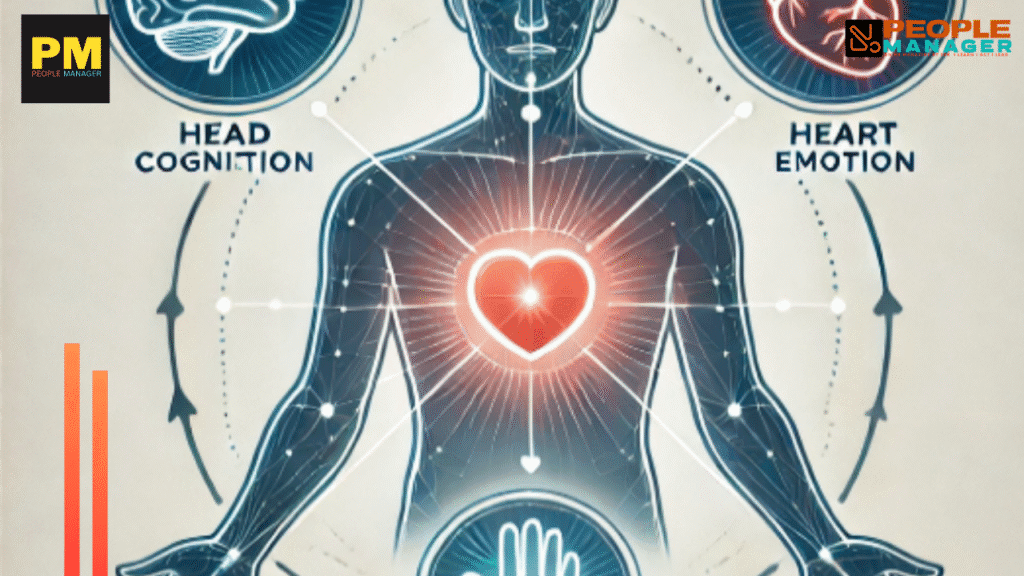
The synergy between storytelling and IKS challenges the assumption that effective learning models must originate from the West. India’s dialogic and reflective traditions estimated many tenets of organizational learning (Senge, 1990). Storytelling in the IKS sense does not seek closure; rather, it invites engagement with paradox and moral complexity. Stories instruct, inspire, and socialize (Bell, 1992; Ritti, 1994), integrating cognition, emotion, and action—the head, heart, and hand triad central to Indian pedagogy and global leadership development. Reframing storytelling through IKS thus elevates it from a facilitation technique to a cultural technology of learning, a practice that cultivates contextual intelligence, ethical reflexivity, and a shared purpose. As the Panchatantra reminds us, “What is heard, when reflected upon, becomes wisdom.” For learning organizations of the 21st century, that insight remains timeless.
For further insights into the evolving workplace paradigm, visit