
Delay in Justice is not denial of Reinstatement and Back Wages for Unlawful Termination: SC
The Court acknowledged ( justice ) that wrongful termination carries a stigma that can prevent re-employment, and denying back wages entirely would cause undue hardship. At the same time, it cautioned against granting “windfall gains” after decades of litigation.
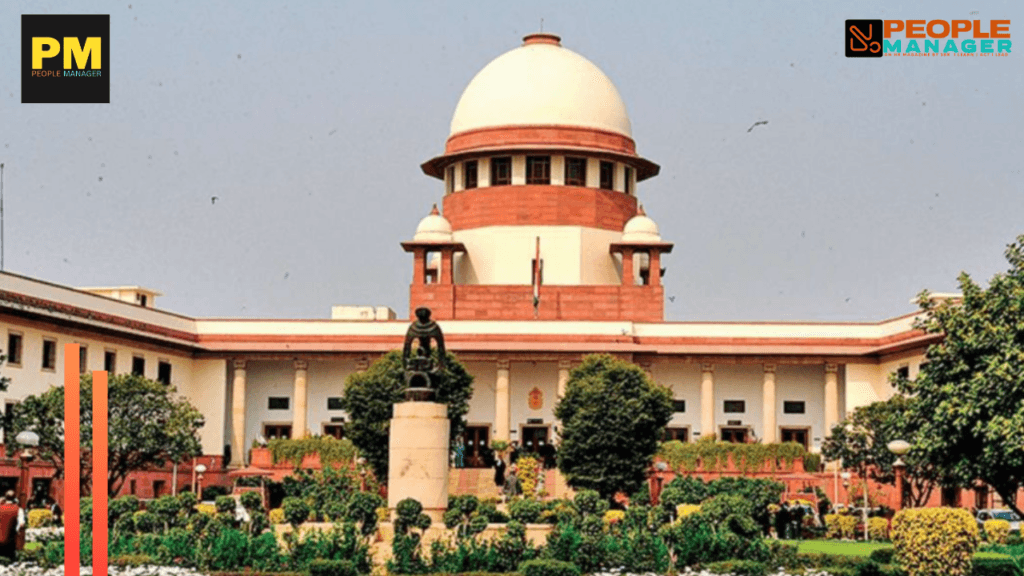
In a poignant reminder of how long justice can sometimes take, the Supreme Court has finally brought closure to a dispute that began in 1991. The case involved Dinesh Chandra Sharma, a room attendant at Jaipur Ashoka Hotel, who was dismissed on charges of misconduct. What followed was a 34-year-long legal battle, carried forward by his family after his death, culminating in a landmark judgment that balances fairness with practicality.
Justice Delayed:
- 1991: Sharma was terminated by Bharatiya Paryatan Vikas Nigam Limited (BPVNL), which managed the hotel at the time.
- 2015: After years of silence, Sharma challenged his dismissal before the Labour Court. The court ruled in his favour, declaring the termination illegal and ordering reinstatement with continuity of service and full back wages.
- High Court Appeal: The hotel management contested the Labour Court’s order. The Rajasthan High Court modified the award, reducing back wages to 50%, citing the long delay in raising the dispute and the fact that the hotel had since changed management.
- Supreme Court: Sharma’s legal heirs pressed on after his death. The apex court upheld the High Court’s decision — reinstatement with continuity of service, but only 50% back wages.
Although Sharma did not live to see justice, his family’s persistence ensured that his dignity was restored. The Supreme Court’s order entitles them to approximately ₹33.68 lakh in back wages and associated benefits, along with retiral dues.
The Court acknowledged that wrongful termination carries a stigma that can prevent re-employment, and denying back wages entirely would cause undue hardship. At the same time, it cautioned against granting “windfall gains” after decades of litigation.
The judgment reinforces several settled principles in labour law:
- Reinstatement is not automatic: Even if termination is illegal, reinstatement with full back wages is not guaranteed.
- Case-by-case approach: Courts must consider factors such as delay in raising disputes, length of service, and whether the employee was gainfully employed during the intervening period.
- Balanced remedies: Relief must balance the rights of employees with the equities favouring employers, ensuring fairness without excessive burden.
This ruling is significant for both workers and employers:
- For employees, it underscores that justice, though delayed, can still restore dignity and financial security.
- For employers, it signals that courts will not mechanically order reinstatement and full back wages, but will weigh practical realities like delay, organisational changes, and fairness.
The Supreme Court’s decision is not just about one worker or one hotel. It reflects the evolving judicial philosophy in India’s labour law: justice must be humane, balanced, and pragmatic.
It reminds us that while the wheels of justice may turn slowly, they aim to deliver outcomes that respect both the rights of individuals and the realities of organisations. For further insights into the evolving workplace paradigm, visit

- India’s White-Collar Hiring Market Climbs 14% in August 2026 : Report - September 9, 2026
- EPFO Urges Employers to Resolve Long-Pending EPF Damages Under VISHWAS 2026 - September 7, 2026
- India to Adopt IST as Sole Legal Reference for HR, workplace and administrative operations from 2027 - September 2, 2026