

A Legal Analysis : Why Supreme Court Rejects Mandatory Menstrual Leave Plea?
The path forward lies in voluntary measures, awareness campaigns, and flexible workplace policies rather than rigid legal mandates. The judgment invites policymakers, employers, and civil society to innovate inclusive solutions that respect women’s dignity without reinforcing stereotypes or reducing opportunities.
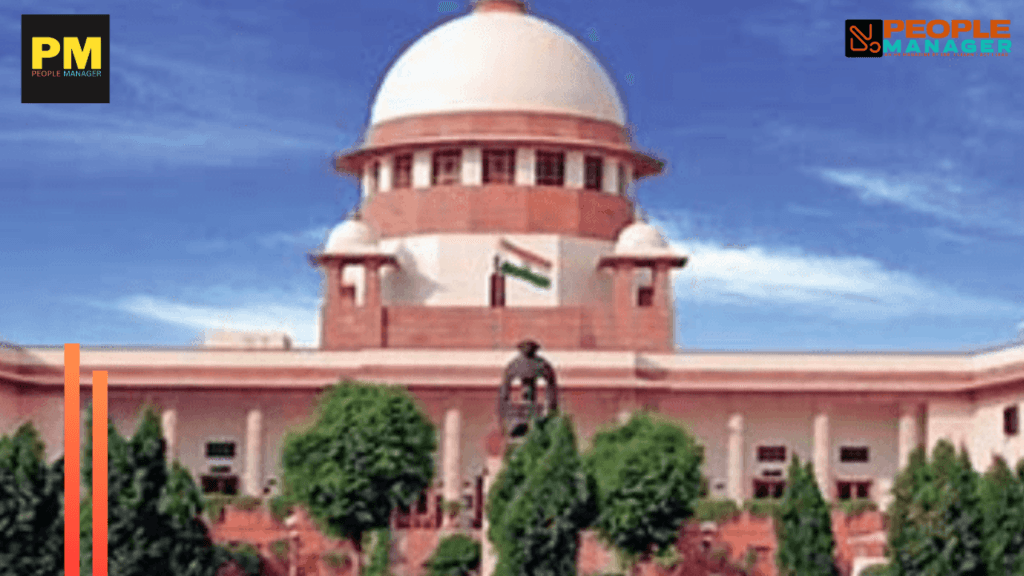
The Supreme Court of India recently rejected a petition seeking mandatory menstrual leave for women in schools and workplaces. The plea, filed with the intention of ensuring paid leave during menstruation, raised significant questions about gender justice, workplace equality, and constitutional protections. However, the Court’s refusal was grounded in concerns about unintended consequences, particularly the risk of discrimination against women in hiring and career advancement.
Background of the Petition
The petitioner urged the Court to direct states to frame rules mandating paid menstrual leave. The argument was based on:
- Biological necessity: Menstruation can cause physical discomfort, pain, and fatigue, making rest essential.
- Equality and dignity: Denying leave could undermine women’s dignity and equal participation in education and employment.
- Precedents in policy: Some states and private employers already provide menstrual leave voluntarily, suggesting feasibility.
Judicial Reasoning
Risk of Employment Discrimination : Chief Justice Surya Kant cautioned that compulsory menstrual leave could backfire. Employers, particularly in competitive sectors, may avoid hiring women altogether to escape perceived costs or disruptions. This echoes concerns seen in labour law where protective legislation, if too rigid, inadvertently reduces opportunities for women.
- Reinforcement of Stereotypes : The Court stressed that mandatory leave could unintentionally portray women as less capable than men. By institutionalising menstrual leave as a legal compulsion, the law might reinforce stereotypes of women as “weak” or “unreliable,” undermining the very equality it seeks to protect.
- Market Realities vs. Constitutional Ideals : Justice Joymalya Bagchi highlighted the tension between constitutional ideals of affirmative action and the realities of the job market. While Article 15 and Article 42 of the Constitution empower the state to make special provisions for women, employers often resist policies that increase costs or reduce flexibility. The Court recognised this gap between principle and practice.
- Preference for Voluntary Measures : The Court emphasised that awareness and voluntary adoption of menstrual leave policies are preferable to legal mandates. Kerala’s 2013 decision to grant menstrual leave to female students in state universities was cited as an example of progressive, voluntary action. Similarly, several private companies offer menstrual leave as part of their corporate social responsibility, without compulsion.
Constitutional Context
- Article 14 – Equality Before Law : The plea invoked Article 14, arguing that menstrual leave was essential to ensure substantive equality. However, the Court interpreted equality as requiring careful balance: a law that inadvertently reduces women’s opportunities could violate the spirit of Article 14.
- Article 15 – Special Provisions for Women : Article 15(3) allows the state to make special provisions for women. Yet, the Court clarified that such provisions must enhance opportunities, not diminish them. Mandatory menstrual leave, in its view, risked reducing women’s employability.
- Article 21 – Right to Dignity and Health : In January, the Court recognised menstrual hygiene as a fundamental right under Article 21, directing governments to provide free sanitary napkins, proper toilets, and awareness campaigns. This shows the Court’s commitment to menstrual health, but it distinguished between health measures (which empower women) and compulsory leave (which could disempower them).
Comparative Perspectives
- Japan: Since 1947, Japanese law grants women the right to menstrual leave. However, studies show that few women avail it due to workplace stigma.
- South Korea and Indonesia: Similar provisions exist, but uptake remains low for fear of discrimination.
- Western countries: Most do not mandate menstrual leave, focusing instead on flexible work arrangements and sick leave policies.
The Court’s reasoning aligns with global experiences: mandatory menstrual leave often creates stigma and reduces opportunities rather than empowering women.
Implications for Labour Law
- Hiring Practices : Employers may consciously or unconsciously discriminate against women if menstrual leave is compulsory. This could manifest in reduced recruitment, slower promotions, or preference for male candidates.
- Workplace Culture : Voluntary policies, coupled with awareness campaigns, may foster a more inclusive culture without legal compulsion. Companies that adopt menstrual leave as part of wellness initiatives can normalise the practice without stigma.
- Legislative Path : The judgment signals that any legislative attempt to mandate menstrual leave must be carefully designed to avoid unintended consequences. Instead, lawmakers may focus on:
- Strengthening sick leave policies to cover menstrual pain.
- Encouraging flexible work arrangements.
- Promoting awareness and destigmatisation.
Critical Evaluation
From a legal standpoint, the Court’s decision reflects a pragmatic balance between constitutional ideals and socio-economic realities. While the rejection may appear regressive at first glance, it is rooted in concerns about workplace discrimination.
However, critics argue that the Court missed an opportunity to push for structural reforms. By leaving menstrual leave to voluntary adoption, the burden shifts to progressive employers and state governments, potentially leaving many women without support.
Conclusion
The Supreme Court’s rejection of mandatory menstrual leave underscores the complexity of gender justice in labour law. The Court recognised menstrual health as a fundamental right but drew a line at compulsory leave, fearing it would harm women’s job prospects.
The path forward lies in voluntary measures, awareness campaigns, and flexible workplace policies rather than rigid legal mandates. The judgment invites policymakers, employers, and civil society to innovate inclusive solutions that respect women’s dignity without reinforcing stereotypes or reducing opportunities.
Ultimately, the ruling reflects a cautious approach: protecting women’s rights while avoiding unintended consequences in the labour market. It is now up to society and employers to ensure that menstrual health is addressed meaningfully, without turning equality into exclusion. For further insights into the evolving workplace paradigm, visit

- Three Fourth Solutions Onboards Ishita Shah as Vice President, Global Expansion to Drive International Growth - August 26, 2026
- India’s Fraud Landscape Evolves as Organised Networks Grow More Sophisticated: Experian Report - August 25, 2026
- Nikhil Raj on How HR leaders can align HR transformation initiatives with business strategy? - August 17, 2026