Employer can’t put Defamatory Remarks In Termination Letter which cause reputational harm to professional standing : Delhi High Court
Defamation in Employment Context- Defamatory: Delhi High Court Directs Wipro to Issue Fresh Termination Letter and Pay ₹2 Lakh in Damages in the case of Abhijit Mishra v. Wipro Limited
New Delhi, India – A recent landmark decision by the Delhi High Court has sent clear ripples through the corporate world, particularly for Human Resources departments, by strongly asserting that employers cannot include defamatory remarks in termination letters without facing significant legal repercussions. This ruling underscores a critical shift in how courts view employer communication during employee separation, highlighting the potential for substantial liability for reputational harm and professional damage caused by ill-considered language.
The case, ABHIJIT MISHRA v. WIPRO LIMITED, saw the Delhi High Court expunge defamatory remarks made against an employee’s character from his termination letter and award Rs. 2 lakh in compensatory damages. This judgment is a stark reminder to employers about the profound impact their official communications can have on a former employee’s future prospects and dignity.
The Case That Set a Precedent: Abhijit Mishra v. Wipro Limited
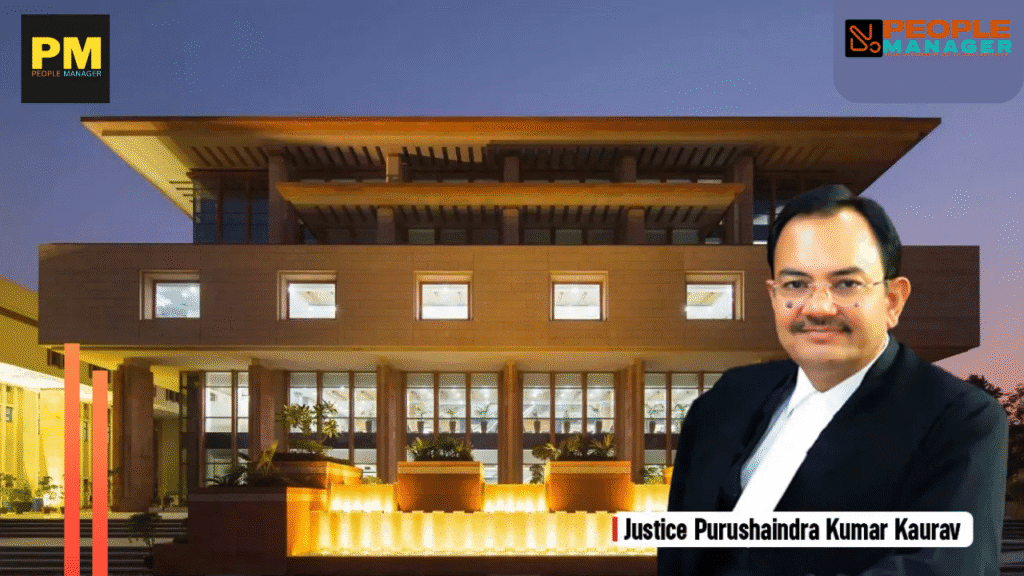
The Delhi High Court, presided over by Justice Purushaindra Kumar Kaurav, addressed a suit filed by a former Wipro Limited employee, Abhijit Mishra, who sought to hold the company accountable for defamation and demand the issuance of a new, clean discharge letter. The impugned termination letter contained highly problematic phrases, specifically “malicious conduct” and “complete loss of trust”.
The Court found these statements to be demonstrably false and defamatory in nature, especially when contrasted with the employee’s consistent positive feedback reflected in various official documents. Wipro Limited, in this instance, was unable to establish any valid defence for the stigmatic language used.
The ruling made it unequivocally clear that a termination letter “replete with stigmatic language and bereft of any foundation, constitutes actionable defamation”. The court emphasized that remarks such as “malicious conduct” not only lacked substantiation but also had a “direct and deleterious impact on the future employability and professional dignity of the employee”. This particular finding is crucial for HR professionals, as it directly links the wording of a termination letter to an individual’s career trajectory and personal standing.
Unpacking the Legal Concepts: Publication and Compelled Self-Publication
One of the most significant aspects of this judgment is the Court’s reliance on and detailed explanation of the doctrine of compelled self-publication. This is a concept rooted in American jurisprudence that is gaining traction in Indian courts, and it profoundly expands the traditional understanding of “publication” in defamation law.
Traditionally, defamation requires “publication” – meaning the defamatory statement must be communicated to a third party. However, the Delhi High Court asserted that “the requirement of publication in defamation encompasses not only direct dissemination to third parties but also indirect transmission arising from foreseeable consequences”.
The doctrine of compelled self-publication addresses situations where the originator of a defamatory statement (in this case, the employer) predictably forces another (the employee) to disclose that defamatory matter, thereby making the originator liable for its spread. The Court articulated this principle by stating that an employer who, “by internal mandate or statutory compulsion, obliges a former employee to reveal the reason for termination cannot exonerate itself from liability for every foreseeable instance of that compelled disclosure and the reputational injury it occasions”.
This doctrine is deemed an “exception to traditional principles” but represents a “reasoned and equitable development in defamation law”. Its core purpose is to ensure that “employers cannot evade liability by using confidential correspondence as a shield when, in substance, their actions set in motion the very harm the law seeks to redress”.
For HR, this means that even if a termination letter is only handed directly to the employee, if it contains defamatory content and it is foreseeable that the employee will be compelled to share this information (e.g., in future job applications or interviews), the employer can still be held liable for defamation.
Foreseeability: A Key Factor in Determining Employer Liability
The Court elaborated on the concept of foreseeability, stating that “the inquiry is not centered on the subjective intent of the defendant but on whether, in the circumstances, a reasonable person in the defendant’s position would have foreseen the likelihood of third-party access”. This means that an employer cannot claim ignorance if a defamatory statement contained in a termination letter eventually causes harm through the employee’s compelled disclosure.
Several factors are to be considered in determining the element of foreseeability, including, but not limited to:
- The mode of communication
- Choice of medium of dissemination
- Inevitability of third-party access – owing to the choice of medium or nature of content
- Element of self-compelled disclosure
This comprehensive approach by the Court ensures a pragmatic and substance-oriented view of communication, moving away from a narrow, formalistic interpretation.
Implications for HR Departments: Navigating Termination with Care
The Delhi High Court’s judgment is a resounding call for HR departments to exercise extreme caution and diligence when drafting termination letters and managing employee exits. The ruling effectively means that any unsupported accusations or stigmatic language in such official documents can lead to significant legal exposure for the employer.
Key directions and actionable insights for HR professionals include:
- Factual Accuracy and Substantiation are Paramount: Ensure that any statements made in a termination letter are strictly factual, provable, and free from any subjective, unsubstantiated accusations. If a reason for termination involves misconduct, it must be thoroughly investigated and documented, with the documentation clearly supporting the stated reason.
- Avoid Stigmatic Language: Phrases like “malicious conduct” or “complete loss of trust” are now definitively risky if not backed by irrefutable evidence. HR must adopt a policy of using neutral, objective language that focuses on the employment relationship’s dissolution rather than casting aspersions on the employee’s character or integrity without robust proof.
- Understand the Reach of “Publication”: HR must internalize that a termination letter, even if handed privately to the employee, has the potential for “publication” under the doctrine of compelled self-publication. This means anticipating that future employers will likely ask for reasons for past termination, compelling the employee to disclose the letter’s contents.
- Review Termination Letter Templates: All standard termination letter templates should be immediately reviewed and revised to remove any language that could be construed as defamatory or stigmatic. Legal counsel should be involved in this review process.
- Focus on the Employer’s Rights, Not the Employee’s Character: Termination letters should primarily communicate the employer’s decision to end the employment, citing contractual terms or organizational needs, rather than making personal attacks or unverified claims about the employee’s conduct.
- Documentation is Your Best Defence: Maintain meticulous records of employee performance, disciplinary actions, and communications. This documentation is critical for defending against any claims of defamation if a termination decision is challenged. The Court in the Wipro case noted a “clear mismatch between the remarks in the termination letter and the consistent positive feedback reflected in various official documents,” highlighting the importance of consistent record-keeping.
- Seek Legal Counsel Proactively: Given the complexities of defamation law and the expanding scope of employer liability, it is advisable for HR departments to consult with legal experts, especially in sensitive termination cases or when dealing with potential misconduct.
The Delhi High Court’s strong stance against “reputational harm, born of unsupported accusations,” makes it clear that such harm cannot be allowed to continue unabated, especially when it significantly impacts an individual’s career and prospects. The Court stated that “the relief must be tailored to redress the wrongful infliction of reputational injury and to vindicate the employee’s right to dignity in the sphere of employment”.
A Call for Dignity and Responsibility in Employment Separations
This judgment serves as a powerful reminder for all employers, and particularly for HR professionals, about their profound responsibility in the delicate process of employee separation. It reinforces the principle that an individual’s professional dignity and future employability must be safeguarded.
By expunging defamatory remarks, awarding damages, and mandating a fresh, clean termination letter, the Delhi High Court has sent a clear message: employers must ensure that termination letters are factual, fair, and free from unsubstantiated accusations that could unjustly damage an individual’s reputation and career. This ruling is not just about avoiding legal battles; it is about upholding ethical employment practices and fostering a corporate environment that respects the dignity of every individual, even at the point of parting ways. Moving forward, the careful drafting of termination letters will be more critical than ever, with potential liability extending far beyond the immediate communication itself. For further insights into the evolving workplace paradigm, visit

- Raymond Appoints Sarita Tripathi as CHRO for Aerospace and Precision Engineering - March 26, 2026
- Goodyear India Announces Strategic HR Leadership Transition - March 24, 2026
- Supreme Court Urges Law on Paternity Leave in India - March 19, 2026