Why Is Human Resource Management Becoming Important for Building Future Ready Workforce Strategies?
Instead of making learning an occasional event, organizations can incorporate it into their talent management program as a constant feature. Human resource professionals have a key role to play in linking employee development with organizational demands.
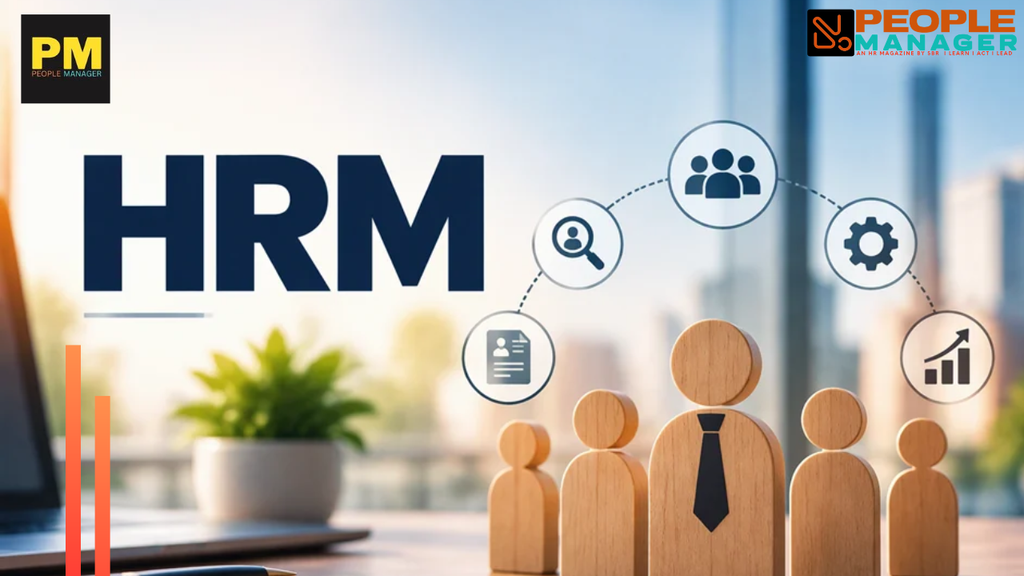
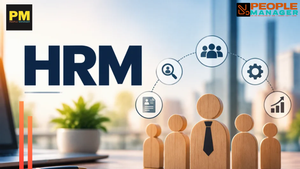
The work environment is changing rapidly as companies adapt themselves to cope with new technologies and altered demands from both their employees and businesses as a whole. In such an environment, Human Resource Management is going beyond just being an administration function as it takes on the responsibility of managing talent and developing capabilities within the organization.
The HRM Course is something that would be beneficial for professionals seeking knowledge about the latest developments in this emerging area. Opportunities for learning like IIM HR Courses could assist professionals in exploring the relation between HR decisions and other organizational goals.
Understanding why HRM matters for future ready workforce strategies begins with recognizing how the role of HR itself is changing.
HRM Is Becoming More Strategic
Traditionally, HR activities were linked with activities like recruiting, managing employees, and remuneration, among others. These are still crucial; however, the field of HRM has grown immensely.
In modern times, there is a need for HR professionals to understand the needs of the organization and align people strategies to achieve those needs. This would involve careful consideration of capabilities that the organization requires and ways through which the talents can be developed to meet organizational needs.
Strategic HRM provides a better link between the organization’s talent decisions and its direction. Rather than dealing with the talent demands only when they arise, an HR team can adopt a more proactive approach toward talent management.
Building Skills for a Changing Workplace
Technology keeps on shaping duties and skills required by companies. It is essential to know what kind of skills exist among employees and what needs improvement when the job changes.
They can help achieve this by recognizing the skills needed and facilitating training sessions which would help employees adapt to new tasks.
Important areas of focus can include:
- Identifying existing and emerging workforce skills
- Supporting continuous learning and professional development
- Creating opportunities for reskilling and upskilling
- Aligning employee capabilities with organizational priorities
An HRM Course can help professionals understand how learning, talent management and workforce planning work together within a broader people strategy.
Using People Analytics for Better Decisions
Decision making within HR is more and more being based on data. Analytics can enable HR departments to study workforce-related data and gain better insight into aspects including recruiting, retention, employee engagement, competencies and workforce planning.
The true importance of people analytics lies in transforming data about the workforce into actionable insights. In order to do that, HR specialists require analytical awareness and organizational awareness.
This shift is also leading to changes in the skills that HR practitioners are expected to have. Besides communication and people management skills, knowledge of analytics and evidence-based decision-making is becoming more important.
Creating an Adaptable Workforce
Organizations that are future-ready require employees who will be able to react to changes in the organization’s priorities, technology or customer needs.
HRM can ensure that employees develop adaptability through continuous learning and career paths that help build the right capabilities. Workforce planning can help determine where capability changes are required.
Instead of making learning an occasional event, organizations can incorporate it into their talent management program as a constant feature. Human resource professionals have a key role to play in linking employee development with organizational demands.
Strengthening Employee Experience and Engagement
Planning for the future is not all about equipping oneself with skills and techniques. The organization must create a situation where the employee feels motivated to do what he does.
The role of HRM is quite significant in areas like on-boarding, learning, career development, performance reviews, motivation, and work culture among others.
The knowledge about what the employees need can help the HR to design practices that not only cater to their needs but also help the business. It can also contribute to engagement and understanding of the employees regarding the importance of their work for the organization.
Preparing Leaders for Workforce Transformation
Management plays a key role in helping their employees adapt to change. In situations where roles, processes and technology change, it is likely that employees will look up to their leaders for guidance.
HR departments can contribute to leadership development by enabling the development of managerial skills related to communication, personnel management, and change management. HR departments can assist organizations in recognizing those leadership competencies that could be critical in future business requirements.
Programs such as IIM HR courses can help professionals explore areas including strategic HR management, organizational behaviour, talent management and leadership from a business oriented perspective.
Integrating Technology Into Human Resource Management
Technology has brought about change in the way many human resource activities are carried out. Technology can be used in recruitment, learning, employee communication, workforce analytics and talent management.
There is also the emergence of artificial intelligence that is now relevant in many facets of human resources.
Yet, transforming HR involves more than just implementing technology. Professionals have to know how technology can help in the processes involving people while still maintaining human discretion. Therefore, digital HR competencies may complement the traditional HR competencies.
Building a Stronger Talent Strategy
Organizations require strategic talent management that takes into account current needs and future needs. Human resource management connects recruitment, capability development, succession planning, and development and retention of employees in an integrated approach to the workforce.
A talent strategy for the future takes into account not only the requirements that the organization has for filling certain jobs now but also what capabilities it might require in the future depending on the directions in which the organization may move.
This is where the HR professionals come into play. They can make such connections between organizational and talent requirements in order to create an adaptive workforce.
Conclusion
Human Resource Management is gaining significance in the development of future-ready workforce strategies because people will always be key drivers of change in organizations. With changing technology, skills, and business priorities, HR practitioners can play a role in aligning workforce capabilities with organizational needs.
Knowledge creation via HRM Course can be beneficial for professionals in grasping the topics such as workforce planning, talent management, people analytics, and employee engagement. Likewise, IIM HR courses can be a good source for professionals to improve their knowledge of HR from a strategic business standpoint.
In essence, being future ready involves having a workforce that can be capable of learning, adapting and contributing as the organization changes. This will allow HR professionals to become much more relevant in developing the workplace of tomorrow by integrating a people-centered mindset with knowledge about business, analytics and technology. For further insights into the evolving workplace paradigm, visit

- Why Is Human Resource Management Becoming Important for Building Future Ready Workforce Strategies? - November 12, 2026
- Delay in Charge Sheet Cannot Automatically End Suspension in Sexual Harassment Cases : Rajasthan High Court - October 31, 2026
- Shoury Gupta On Beyond Price Tags: What Makes A Corporate Gift Feel Thoughtful? - October 29, 2026