

Coal India shuts down its solar manufacturing company
Coal India’s decision to dissolve its solar manufacturing subsidiary marks the end of a bold but challenging diversification initiative. While the proposed gigafactory will not materialize, the company continues to push forward with renewable energy generation projects. Its targets for 2027‑28 and 2029‑30 reflect a serious commitment to energy transition, even if manufacturing is not part of the immediate plan.
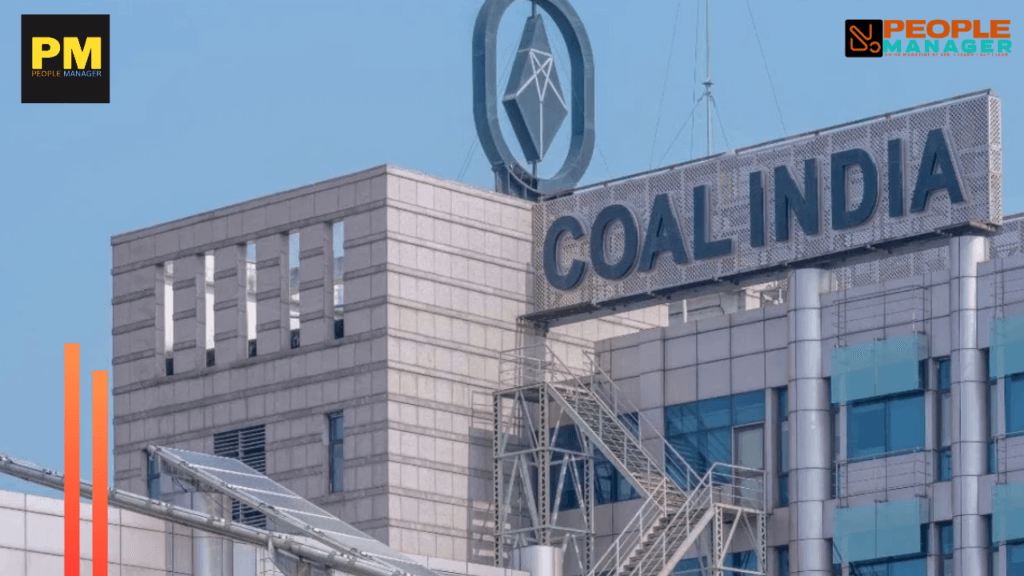
Coal India Ltd, the country’s largest state‑owned coal miner, has formally dissolved its solar manufacturing subsidiary, CIL Solar PV Ltd. The move marks the end of its proposed entry into integrated solar panel manufacturing, even as the company continues to expand its renewable energy portfolio.
In a regulatory filing, Coal India confirmed that CIL Solar PV Ltd has been struck off the Register of Companies under Section 248(5) of the Companies Act, 2013. The dissolution followed a public notice issued by the Ministry of Corporate Affairs in April 2026, which proposed removing the subsidiary’s name under Section 248(2). With this, the special‑purpose vehicle created to spearhead a 4 GW solar photovoltaic manufacturing facility has been officially wound up.
The subsidiary was originally envisioned as a cornerstone of Coal India’s diversification into clean energy manufacturing. Its mandate included developing an integrated facility covering the entire solar value chain—ingots, wafers, cells, and modules. The project was intended to reduce India’s reliance on imported solar equipment and strengthen domestic production capacity.
Coal India had positioned the solar manufacturing venture as part of its long‑term diversification roadmap. Global pressure on fossil fuel producers to reduce carbon intensity has been mounting, and the company sought to demonstrate its commitment to clean energy investments. The dissolution of CIL Solar PV Ltd, however, signals a reset in that strategy.
Industry observers note that large‑scale integrated solar manufacturing projects demand substantial capital, advanced technology partnerships, and robust supply chains. Even for a company of Coal India’s scale, execution can be complex. The closure of the subsidiary underscores the challenges traditional energy companies face when attempting to diversify into renewable manufacturing while managing their core businesses.
Despite shutting down its solar manufacturing arm, Coal India remains committed to renewable energy generation. The company has announced ambitious capacity targets:
- 3 GW of renewable energy capacity by 2027‑28
- 9.5 GW of renewable energy capacity by 2029‑30
These projects form part of Coal India’s broader energy transition strategy. The company is investing in solar and wind power generation projects across India, aiming to reduce dependence on coal‑linked growth and support decarbonisation of its operations.
Coal India’s renewable push aligns with India’s national energy goals, which include expanding domestic renewable capacity and reducing reliance on fossil fuels. The miner’s continued investment in generation projects reflects a pragmatic approach—focusing on areas where it can leverage existing strengths in project execution and infrastructure development.
The proposed 4 GW solar manufacturing facility was designed to be a gigafactory capable of integrated production. Such facilities are considered strategically important because India still imports a significant share of upstream solar components, particularly wafers and cells. Domestic module assembly has grown, but upstream manufacturing remains limited.
Coal India’s entry into the segment had reflected growing interest among public sector enterprises in clean energy manufacturing. The company’s plan was to create a vertically integrated ecosystem, reducing import dependence and supporting India’s renewable ambitions. The dissolution of CIL Solar PV Ltd now leaves a gap in that vision.
No replacement structure or revised manufacturing strategy has been announced. Analysts suggest that Coal India may prefer to focus on renewable generation rather than manufacturing, given the complexities and risks involved in building large‑scale integrated facilities.
India’s solar manufacturing sector has seen mixed progress. While government incentives such as the Production Linked Incentive (PLI) scheme have encouraged investment, execution challenges remain. Building upstream capacity requires not only capital but also technology transfer, skilled workforce development, and global supply chain integration.
For Coal India, the venture into solar manufacturing represented a bold diversification step. Its withdrawal highlights the difficulty of balancing legacy operations with new ventures in unfamiliar industries. The company’s core expertise lies in mining and energy generation, not in advanced manufacturing. The dissolution of CIL Solar PV Ltd may therefore reflect a strategic decision to concentrate resources on areas where the company has stronger capabilities.
Coal India’s situation illustrates the broader dilemma facing traditional energy companies worldwide. On one hand, they must respond to global calls for decarbonisation and diversify into clean energy. On the other, they must manage legacy operations that continue to underpin revenues and national energy security.
For Coal India, coal remains the backbone of India’s power sector. The company’s production supports electricity generation across the country, making it a critical player in national energy stability. At the same time, the miner is under pressure to demonstrate progress on sustainability and energy transition. The dissolution of its solar manufacturing subsidiary shows that diversification is not always straightforward.
From a human resources perspective, the closure of CIL Solar PV Ltd carries implications for workforce planning and capability development. The proposed manufacturing facility would have required new skill sets in advanced manufacturing, materials science, and renewable technology. Its dissolution means Coal India will not immediately need to build those capabilities internally.
Instead, the company’s renewable energy expansion will focus on project execution, construction, and operations—areas more closely aligned with its existing workforce strengths. HR leaders within Coal India will need to continue upskilling employees in renewable project management, safety standards, and compliance frameworks, while balancing the demands of coal operations.
The episode also highlights the importance of aligning diversification strategies with workforce readiness. Entering new industries requires not only capital and technology but also human capability. For Coal India, the reset in manufacturing plans may allow more time to build the necessary skills and partnerships before re‑entering the segment in the future.
Coal India has not ruled out future diversification into renewable manufacturing, but for now, its focus remains on generation projects. The company’s targets for renewable capacity expansion are ambitious and will require sustained investment and execution. Success in these projects will demonstrate Coal India’s ability to balance its legacy role in coal with its emerging role in clean energy.
The dissolution of CIL Solar PV Ltd is a reminder that energy transition is complex, particularly for companies rooted in fossil fuels. Diversification strategies must be carefully aligned with capabilities, resources, and market realities. For Coal India, the closure of its solar manufacturing arm represents a course correction, not an abandonment of renewable ambitions.
Coal India’s decision to dissolve its solar manufacturing subsidiary marks the end of a bold but challenging diversification initiative. While the proposed gigafactory will not materialize, the company continues to push forward with renewable energy generation projects. Its targets for 2027‑28 and 2029‑30 reflect a serious commitment to energy transition, even if manufacturing is not part of the immediate plan.
For India’s renewable sector, the closure underscores the difficulties of building integrated domestic manufacturing capacity. For Coal India, it highlights the need to balance ambition with execution capability. As the company moves ahead, its renewable expansion will remain a critical test of how traditional energy giants adapt to a changing global landscape. For further insights into the evolving workplace paradigm, visit

- Equal Pay for Equal Work Cannot Be Applied Mechanically: Supreme Court - October 3, 2026
- Isgec Heavy Engineering Appoints Mahua Chakrabarty as Chief Human Resources Officer - October 3, 2026
- Long Service Alone Does Not Create Employer-Employee Relationship; Outsourced Workers Cannot Be Regularised: P&H HC - October 2, 2026