Sitaram Kandi to be the new CHRO, Tata Motors Passenger Vehicles
Kandi ’s experience in industrial relations and workforce capability building will be critical in addressing these challenges. His background across diverse industries gives him a broad perspective on managing transformation, which will be valuable as Tata Motors navigates the next phase of its journey.
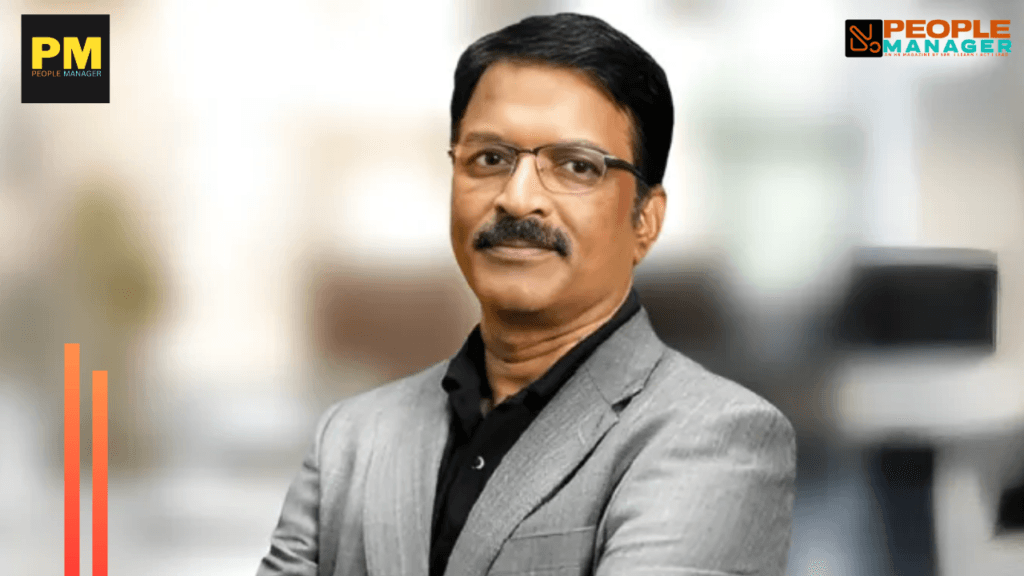
Gurugram, India, May 2026 – Tata Motors Passenger Vehicles Limited has announced a major leadership transition in its human resources function. The company confirmed that Chief Human Resources Officer (CHRO) Anjali Byce will step down from her role effective June 30, 2026, and Sitaram Kandi will assume charge as the new CHRO from July 1, 2026.
This change marks an important moment for Tata Motors Passenger Vehicles, as the company continues to strengthen its people strategy while navigating rapid transformation in the automotive sector.
The development was disclosed in a regulatory filing dated May 14, 2026, where Tata Motors stated that the Board approved the transition following the recommendation of the Nomination and Remuneration Committee.
According to the filing, Anjali Byce has chosen to move on to pursue opportunities outside the organisation. In her resignation letter addressed to CEO and Managing Director Shailesh Chandra, she expressed gratitude for the opportunity to contribute to Tata Motors’ people and culture agenda, and thanked the leadership team and colleagues for their support during her tenure.
Her departure closes a chapter in which she played a key role in shaping HR practices for the passenger vehicles business. Under her leadership, Tata Motors strengthened its focus on employee engagement, diversity, and organisational culture, aligning HR priorities with the company’s broader business transformation.
The appointment of Sitaram Kandi as the new CHRO brings continuity and fresh perspective. Kandi brings with him over three decades of experience in human resources and industrial relations across leading organisations such as General Electric, Monsanto, TE Connectivity, and Bosch.
Prior to this elevation, he served as Vice President – HR for Tata Motors’ passenger and electric vehicle businesses, overseeing industrial relations and skill development functions. Kandi joined Tata Motors in 2019, after holding senior HR roles with several global organisations in India and overseas. His tenure at Tata Motors has already seen him play a pivotal role in workforce capability building and industrial relations management.
Academically, he holds degrees in mathematics, economics, and statistics from Osmania University, and a master’s degree in labour laws and labour welfare from Symbiosis International University. He has also completed a business analytics programme at the Indian Institute of Management Calcutta, equipping him with strong analytical and strategic skills.
This leadership change comes at a crucial time for Tata Motors Passenger Vehicles, which is navigating rapid transformation in the automotive sector. With the company’s growing focus on electric mobility, digitalisation, and workforce capability building, the HR function plays a central role in shaping organisational culture and preparing talent for future challenges.
Industry observers note that Kandi’s extensive background in industrial relations and workforce development positions him well to lead HR strategy during this transition. His experience across diverse sectors and global organisations is expected to bring fresh perspectives to Tata Motors’ people agenda.
The automotive industry is undergoing a fundamental shift, with electrification, sustainability, and digital technologies reshaping business models. For Tata Motors Passenger Vehicles, aligning HR practices with these changes is essential. The appointment of a seasoned HR leader like Kandi reflects the company’s intent to strengthen its people function as a driver of transformation.
Tata Motors Passenger Vehicles has been investing heavily in its passenger and electric vehicle businesses. The company’s HR strategy has therefore needed to evolve to support new skill requirements, workforce structures, and employee engagement models.
Key priorities for the HR function include:
- Workforce transformation – Preparing employees for new roles in electric mobility, digital technologies, and advanced manufacturing.
- Industrial relations – Maintaining strong relationships with unions and workers as the company navigates change.
- Skill development – Building capabilities in emerging areas such as battery technology, software integration, and analytics.
- Employee engagement – Strengthening culture, diversity, and inclusion to attract and retain talent in a competitive market.
With Kandi at the helm, Tata Motors is expected to continue focusing on these areas, while also driving innovation in HR practices.
The transition also highlights the challenges facing HR leaders in the automotive sector. As Tata Motors expands its electric vehicle portfolio, the company must manage workforce reskilling and redeployment. Traditional roles in internal combustion engine manufacturing are evolving, while new roles in electric powertrain and digital systems are emerging.
Balancing these shifts requires careful workforce planning, strong industrial relations, and proactive skill development. HR leaders must also ensure that employees remain engaged and motivated during periods of change.
Kandi’s experience in industrial relations and workforce capability building will be critical in addressing these challenges. His background across diverse industries gives him a broad perspective on managing transformation, which will be valuable as Tata Motors navigates the next phase of its journey.
While welcoming Kandi, Tata Motors also acknowledged the contributions of Anjali Byce. During her tenure, she played a key role in strengthening HR practices and aligning them with business priorities. Her focus on culture, diversity, and employee engagement helped build a strong foundation for the passenger vehicles business.
Her departure marks the end of a significant chapter, but her legacy will continue to shape the company’s HR function. Tata Motors expressed appreciation for her leadership and wished her success in her future endeavours.
As Tata Motors continues to strengthen its passenger and electric vehicle businesses, the HR leadership transition underscores the company’s commitment to aligning talent strategy with business priorities.
With Anjali Byce’s departure, the company acknowledges her contributions to building a strong people and culture framework. At the same time, the appointment of Sitaram Kandi signals continuity and renewed focus on workforce transformation, industrial relations, and skill development.
The coming years will be critical for Tata Motors Passenger Vehicles as it expands its electric mobility portfolio and adapts to industry changes. HR leadership will play a central role in ensuring that the company’s workforce is prepared, engaged, and aligned with its strategic goals.
By appointing a seasoned HR leader with deep experience in industrial relations and workforce development, Tata Motors has positioned itself to navigate these challenges effectively. The transition reflects the company’s recognition that people strategy is central to business success in a rapidly changing industry. For further insights into the evolving workplace paradigm, visit

- Raghu Vamsi Group appoints Dr. S K Jha as CEO of the Advanced Materials Division - October 13, 2026
- TCS Withholds Quarterly Variable Pay for Senior Employees, Awards Full Allowance to Junior Staff - October 12, 2026
- CDK Global Names Sudhakar Ramakrishna President And CEO - October 6, 2026