
HR as a Catalyst for Inclusive Growth and Social Impact
The principles that create inclusive workplaces—equity, accessibility, opportunity and belonging—are equally relevant to the communities organisations seek to impact through CSR.
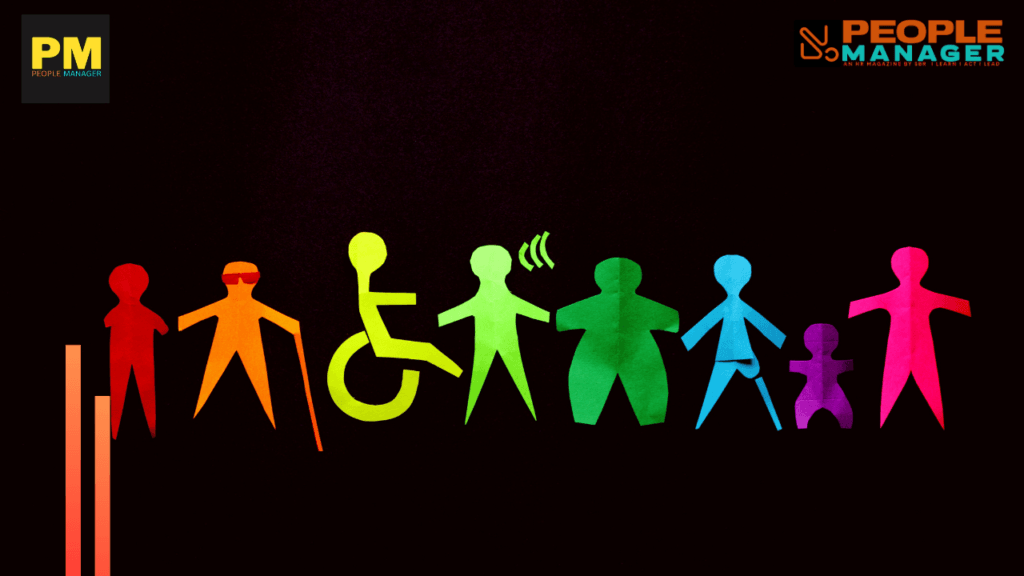
The role of Human Resources is evolving beyond talent acquisition and workforce management. As organisations are increasingly evaluated not only on financial performance but also on how they create opportunities, advance inclusion and contribute to societal progress, HR is emerging as a strategic driver of business purpose, culture and social impact.
As stakeholder expectations evolve, organisations are being called upon to create equitable pathways to employment, strengthen accessibility, invest in underserved communities and embed inclusion into everyday decision-making. This presents HR with an opportunity to connect people strategy with broader social and business outcomes.
From Workplace Inclusion to Social Impact
As organisations deepen their Environmental, Social and Governance (ESG) commitments, Diversity, Equity and Inclusion (DEI) is increasingly being viewed through a broader social impact lens.
Traditionally, organisations have measured inclusion through workforce representation, diversity targets and workplace policies. The conversation, however, is shifting from representation to participation, opportunity and outcomes.
India’s workforce data highlights the scale of the challenge. According to the Periodic Labour Force Survey (PLFS), female labour force participation remains significantly below that of men. Similarly, the PwD Inclusion Index 2025 indicates that representation of persons with disabilities in corporate India remains below 1%, with many organisations reporting no permanently employed PwDs.
These gaps underline a critical reality: awareness of inclusion has increased, but equitable participation remains a work in progress. HR has a pivotal role in closing this gap.
The Changing Role of HR
The evolution of HR is being driven by changing workforce expectations, demographic shifts, the growing importance of ESG, technology-led transformation and increasing demand for purpose-driven workplaces.
Employees increasingly want to work for organisations whose values extend beyond business performance. At the same time, businesses need access to diverse talent, new skills and resilient workforces.
This creates an opportunity for HR to move from being primarily an internal function to becoming a strategic bridge between people, business and society. The question is no longer simply, “How diverse is our workforce?” but also: “How are we creating opportunities for people who remain outside the formal workforce?”
This shift can help HR contribute to a much broader agenda of inclusive economic participation.
Building More Inclusive People Practices
HR can embed inclusion across the employee lifecycle—from recruitment and onboarding to development, leadership and retention.
This includes designing inclusive job descriptions, reaching underrepresented talent pools, strengthening diverse hiring panels, enabling accessible workplaces and creating mentorship and leadership-development opportunities.
But inclusion must extend beyond internal policies.
The principles that create inclusive workplaces—equity, accessibility, opportunity and belonging—are equally relevant to the communities organisations seek to impact through CSR.
This creates a natural intersection between HR and CSR. Organisations can use their understanding of workforce requirements to shape community programmes that develop relevant skills and create meaningful pathways to employment.
The Convergence of HR, DEI, CSR and ESG
Historically, HR focused on employees, while CSR focused primarily on communities. The growing importance of the “S” in ESG is bringing these agendas closer together.
Workforce inclusion, human rights, accessibility, livelihoods and community development are increasingly interconnected. This creates an opportunity for organisations to align HR, DEI, CSR and ESG strategies around common social outcomes.
For example, a company investing in rural skilling through CSR could work with HR to identify emerging workforce requirements, design relevant training and create recruitment pathways for successful candidates.Similarly, disability inclusion programmes can combine community-level skilling with accessible recruitment and workplace-readiness initiatives.
Such integration can strengthen talent pipelines, improve employer value propositions, build stakeholder trust and create measurable social impact.
Inclusive Hiring as a Development Strategy
Inclusive hiring should not be viewed only as a workforce strategy. It can also become a powerful development strategy.
Many organisations invest in skilling and livelihood programmes through CSR. The impact of these investments can be significantly amplified when training is connected to actual employment opportunities.
Creating pathways for women, rural youth, persons with disabilities and underserved communities to access meaningful employment can transform CSR investments into sustainable livelihood outcomes.
For businesses, this can simultaneously address talent requirements and advance economic inclusion.The opportunity is particularly significant as organisations navigate changing skill requirements driven by automation, digitalisation, artificial intelligence and the transition towards more sustainable business models.
HR can play an important role in identifying these emerging skills and ensuring that community development programmes prepare people not only for jobs available today, but also for the jobs of tomorrow.
From CSR Projects to Inclusive Employment Ecosystems
The next opportunity is to move beyond standalone CSR projects and build inclusive employment ecosystems.
Community skilling, vocational training, women’s economic empowerment, disability inclusion and rural livelihood programmes can be designed around emerging workforce needs.When CSR investments are connected to employment pathways, organisations can create a continuum from:
Skilling → Opportunity → Employment → Economic Participation
This approach creates value for both business and society.
It also allows organisations to move from measuring the number of people trained to asking more meaningful questions:
- How many participants secured employment?
- How many sustained their livelihoods?
- Did household incomes improve?
- Did participants move into better-quality jobs?
- Did the programme create greater economic independence?
- What barriers continue to prevent participation?
This shift from activity metrics to outcome metrics can significantly strengthen the social impact narrative.
Accessibility Must Move Beyond Compliance
Accessibility remains an important but often under-addressed dimension of inclusion.The challenge is no longer simply about intent or compliance. Organisations need to consider whether their recruitment processes, workplaces, technologies and policies genuinely enable persons with disabilities to participate and progress.
HR can accelerate this shift through accessible infrastructure, inclusive recruitment, assistive technologies, flexible workplace practices and leadership accountability.
Accessibility should therefore be viewed not merely as a compliance requirement, but as a talent and business imperative.An inclusive workplace can expand the available talent pool, improve employee experience and encourage organisations to rethink how work is designed.
Leadership Accountability Is Critical
HR can catalyse change, but sustainable inclusion cannot remain an HR-only responsibility.
Boards, business leaders and managers must embed inclusion within organisational strategy, governance, leadership objectives and performance metrics.
Leadership accountability is particularly important because inclusion often requires changes to established processes—from recruitment and promotion to procurement, workplace design and community engagement. Organisations can strengthen accountability by defining measurable goals, monitoring progress and incorporating inclusion indicators into leadership performance discussions.
When leadership accountability is combined with strong HR practices, organisations can move from policy commitments to measurable outcomes.
Connecting Community Inclusion with Workplace Inclusion
One of the greatest opportunities lies in creating a direct connection between workplace inclusion and community inclusion. An organisation may achieve internal diversity targets while its surrounding communities continue to face barriers to employment and economic participation.
Collaboration between HR and CSR can help bridge this gap.
Community skilling, employee volunteering, livelihood programmes, education partnerships and women’s empowerment initiatives can be aligned with future workforce needs to create stronger and more sustainable talent ecosystems.
For instance, employee volunteers can mentor young people from underserved communities, HR teams can support employability programmes, and business units can identify potential employment opportunities. This creates a stronger connection between what organisations invest in through CSR and the talent they need for the future.
The Future of Inclusive Growth
The future of social impact will depend on breaking traditional silos between HR, DEI, CSR and ESG. Organisations that connect workforce inclusion with community development can simultaneously strengthen talent pipelines, improve business resilience, enhance ESG performance and create meaningful social outcomes.
HR therefore has an opportunity to become more than a function that manages people. It can become an architect of inclusive growth—shaping not only the future of work, but the future of communities.
The organisations that lead this transition will recognise that diversity is more than a workforce metric, CSR is more than an initiative, and inclusion is more than a policy. Together, they can become strategic drivers of sustainable and inclusive growth.
The next wave of social impact will not be defined simply by how much organisations invest in communities, but by how effectively they connect opportunity with participation, skills with employment, and inclusion with economic mobility.
For HR, this represents a significant opportunity: to help build organisations where social impact is not separate from the business, but embedded within how talent is developed, opportunities are created and value is shared.
The SoulAce Perspective
At SoulAce, we believe inclusive growth is strongest when organisations connect their people, purpose and social impact strategies. Our experience across CSR, ESG, impact assessment and community development demonstrates the value of moving beyond standalone initiatives towards integrated approaches that create measurable outcomes. By bringing HR, CSR, DEI and ESG teams together, organisations can build stronger talent ecosystems, create meaningful livelihood pathways and translate social investments into lasting impact.
At SoulAce, we see the future of social impact as a shared responsibility—one that connects business capabilities with the needs and aspirations of communities. For further insights into the evolving workplace paradigm, visit
- HR as a Catalyst for Inclusive Growth and Social Impact - August 18, 2026