

The Human Side of HR Tech: Balancing AI-Driven Efficiency with Employee Experience
People are used to quick and convenient digital experiences (AI) in their personal lives, and they naturally expect some of the same convenience at work. They do not want to spend days waiting for an answer to a simple question or navigate several systems to complete a basic process.
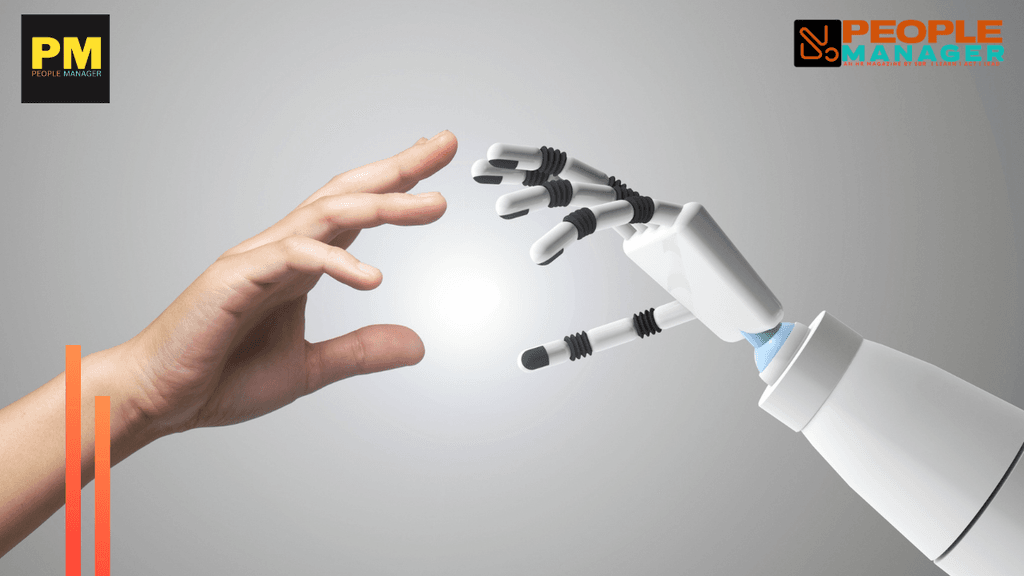
For years, the role of technology in HR was largely about making processes easier. The objective was straightforward: reduce paperwork, save time and make HR operations more efficient.
Artificial intelligence is taking this much further. Today, AI can help organisations screen candidates, analyse workforce data, respond to employee queries, recommend learning programmes and identify patterns that may not be immediately visible to HR teams.
But there is also a question that we cannot afford to overlook: as HR becomes more technology-driven, are we making the employee experience better or simply making processes faster?
For me, that is where the real conversation around HR technology begins.
What Does the Human Side of HR Tech Mean?
The answer is not to choose between technology and people. Both have a role to play.
There is a considerable amount of routine work in HR that does not necessarily require human intervention. Employees need answers to standard policy questions. Documents have to be processed, interviews scheduled and information updated. These are areas where automation can make a significant difference.
It is that HR professionals and managers get more time to do the things that require human involvement, talk to employees, understand concerns, coach teams, resolve conflicts and support people through important career decisions.
But we also need to understand where technology should stop. An employee asking how many days of leave they are entitled to is one kind of interaction. An employee approaching HR because they are struggling at work is something very different. The first can be handled efficiently by an automated system. The second may require someone to listen and understand the situation.
Efficient HR technology should make that human connection easier, not remove it.
Why Is This Becoming More Important?
Employee expectations have changed.
People are used to quick and convenient digital experiences in their personal lives, and they naturally expect some of the same convenience at work. They do not want to spend days waiting for an answer to a simple question or navigate several systems to complete a basic process.
This is where there is a potential contradiction with AI. Technology can make an experience more personalised, but it can also make it feel impersonal if organisations are not careful.
Employees will increasingly want to know when AI is involved in decisions relating to them. If an algorithm influences recruitment, performance evaluation or career progression, people deserve to understand the role it is playing.
An organisation cannot simply tell employees, “The system has recommended this, so this is the outcome.” Data can provide an important input, but people and workplaces are complex. There will always be circumstances that numbers alone cannot explain.
This is where, empathy comes in, and this is why human oversight will remain particularly important when AI is being used for decisions that have a direct impact on someone’s career.
How Can Organisations Get the Balance Right?
There is no universal formula for implementing AI in HR. A large organisation with thousands of employees will have very different requirements from a smaller business. Even within one company, the needs of a corporate employee may be very different from those of someone working on the frontline.
However, there are some basic principles that can help.
Automate the Routine, Not the Relationship
The first place to use AI should be where it can remove repetitive work.
Routine queries, documentation, scheduling and approvals can often be handled faster through automation. This gives HR teams and managers more time for conversations that require judgement and empathy.
An employee should be able to get an instant answer about a policy. But if that employee has a sensitive concern or wants to discuss their career, there should still be a clear path to a person.
Start With the Problem, Not the Technology
One of the risks with any new technology is becoming too focused on what the technology can do.
The better question is: what problem are we trying to solve?
If employees struggle to find information, make it easier for them to access it. If managers are spending too much time on administration, automate those tasks. If learning programmes are too generic, use data to make them more relevant.
But simply adding another AI platform because it is available does not necessarily improve the employee experience. In some cases, it can make things more complicated.
HR technology should follow the employee journey, not the other way around.
Keep People Involved in Important Decisions
AI can process enormous amounts of information and identify patterns very quickly. That is valuable, but speed should not be confused with judgement.
Recruitment, promotions, performance reviews and workforce decisions can have a significant impact on people’s lives. In these areas, AI can support the process, but there should be accountability on the human side.
A candidate may not look perfect on paper but may have the attitude, potential or experience that makes them right for a role. Similarly, an employee’s performance data may not capture what was happening around them during a difficult period.
Data should help us ask better questions. It should not stop us from asking questions.
Make AI Understandable
Trust becomes difficult when technology feels like a black box.
If employees do not know where AI is being used or how it influences decisions, they may naturally become uncomfortable with it. Organisations therefore need to communicate openly about their use of AI.
This does not mean explaining every technical detail. It means being clear about what the technology is being used for, what information it considers and where human judgement comes into the process.
Employees should also have a way to raise questions or seek human intervention when necessary.
AI governance is therefore not only an IT responsibility. It is also an HR and communication responsibility.
Use Data to Start Conversations
AI is very good at identifying patterns. But identifying a pattern is only the beginning.
Suppose workforce data shows increasing absenteeism in one department. That is useful information, but it does not tell us why employees are taking more leave.
Perhaps workloads have increased. Perhaps there is a management issue. Perhaps employees are dealing with challenges outside work.
The right response is, using AI to identify the trend as the first step, investigate humanly as the second step using empathy and human conscience, and thirdly, arriving on a well though solution, rather than immediately automate a solution.
This is where HR professionals add value. Technology can point us towards a problem, but people still need to understand the reason behind it.
Measure Employee Experience, Not Just Efficiency
It is easy to measure the success of an AI implementation through time saved, costs reduced or processes automated. These numbers matter.
But HR also needs to ask a more basic question: has the employee experience improved?
Can employees get answers more easily? Are managers spending more time with their teams? Are processes simpler? Can an employee still reach a person when they need one?
A process that is faster but leaves employees frustrated cannot necessarily be called a success.
The best HR technology should improve both efficiency and experience.
AI Could Actually Make HR More Human
We often talk about AI making HR less human because machines are taking over tasks traditionally performed by people. But if we use it correctly, the opposite could happen.
If technology takes care of repetitive administration, HR professionals can spend more time listening to employees. If managers have better workforce insights, they can have more meaningful conversations with their teams. If routine processes become simpler, employees have less time-consuming bureaucracy to deal with.
AI should not be used to eliminate human interaction simply because it can. It should be used to make human interaction more valuable.
The Way Forward
AI will become an increasingly important part of HR. There is little doubt about that. It will influence recruitment, workforce planning, employee services, learning and many other areas.
But adopting AI should never become the objective in itself.
Before introducing a new technology, organisations should ask what they are trying to improve, whose problem they are solving and what the employee experience should look like afterwards.
The organisations that get this right will not necessarily be those using the most sophisticated AI. They will be those that understand where technology adds value and where human judgement matters more.
Technology can process information, identify patterns and automate at scale. People bring empathy, context, accountability and trust.
HR has always been about managing that human equation. AI does not change that responsibility. If anything, it makes it more important.
The real measure of successful HR technology will therefore be simple: does it help organisations become more efficient while making employees feel more supported, heard and connected?
If the answer is yes, then AI is doing what technology should always do, making work better without taking the human out of it. For further insights into the evolving workplace paradigm, visit