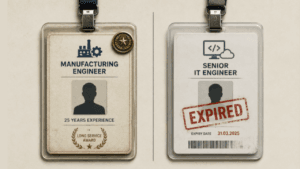
Why Recognition Matters More Than Ever for Employee Engagement
Recognition matters more than ever because engagement is no longer about programmes—it is about experiences. Employees want to feel seen, valued and appreciated in the flow of work. Recognition delivers that in a way no other initiative can.

Employee engagement remains a top priority, yet many organisations overlook the most powerful driver: recognition. Genuine, timely appreciation is not a “nice to have” but the missing link that transforms engagement strategies into lived experiences. Recognition builds trust, strengthens culture, and sustains morale—especially in hybrid workplaces where informal gestures are fading. Small, frequent acts of gratitude, tailored to individual preferences, create lasting impact and reinforce belonging. For HR leaders, embedding recognition into everyday behaviour is no longer optional; it is a strategic imperative for retention, performance, and long‑term engagement in a rapidly evolving world of work.
The missing link in engagement strategies
Employee engagement continues to sit high on the HR agenda, yet many organisations are still struggling to create meaningful, lasting change. The issue is not a lack of initiatives, but a misunderstanding of what engagement really is. Engagement is not a programme to be implemented, but the outcome of everyday experiences at work.
People need to leave work after a long day feeling appreciated and seen. They do not want to feel like a small cog in a big machine. Employers sometimes forget that engagement is shaped by how people feel. Does your employer make you feel understood, valued and appreciated? Or are you simply coasting along? This distinction is subtle, but it is where the real difference lies.
Recognition: more than a ‘nice to have’
Recognition is often treated as a secondary consideration, something that is nice to have rather than essential. Yet its impact tells a very different story. Genuine and timely acknowledgement from managers has a powerful influence on how employees perceive their role, their team and the organisation as a whole.
It is not about grand gestures or formal awards. What matters is authenticity. A specific moment to say thank you, a message that recognises effort, not just outcomes. A moment of appreciation delivered at the right time rather than weeks later through a structured process.
Not only does this support employee wellbeing, it also strengthens confidence among those leading reward initiatives, demonstrating that the approach is delivering tangible results. Recognition is not a soft skill—it is a strategic lever for engagement, retention and performance.
The pivotal role of the line manager
Employees do not experience culture through policy documents or leadership statements on Slack. They experience it through their day-to-day interactions, most often with their line manager. That makes managers one of the most important levers in shaping engagement.
Recognition is one of the simplest and most effective tools available to them, yet many are not equipped or empowered to use it consistently. Too often it is reserved for formal reviews or annual cycles, rather than embedded into the natural rhythm of work.
Creating space for managers to recognise contributions in the moment, in a way that feels natural and human, is where real progress begins. Simply showing gratitude after an employee delivers a presentation they have worked on all week reinforces that their effort has been noticed and valued. These micro-moments of appreciation accumulate into trust and loyalty.
Keeping recognition alive in a digital workplace
Hybrid working has brought flexibility and work-life balance, but it has also reduced opportunities for informal recognition. The quick conversation after a meeting or the spontaneous thank you in passing happens less often. Without deliberate effort, appreciation can easily fall through the cracks.
Digital tools can help bridge this gap, but they are only as effective as the behaviours behind them. Technology, such as digital gifting or recognition platforms, can support appreciation by adding a layer of thoughtfulness and human connection in an increasingly digital workplace.
The most effective approaches combine both. A thoughtful message paired with a small, meaningful gesture signals that someone has taken the time to notice and to care. That combination is what creates lasting impact. For organisations looking to improve retention, embedding this into everyday practice is essential.
The value of small, frequent gestures
Recognition does not need to come at a high cost. In fact, smaller and more frequent gestures are often more impactful than infrequent, high-value rewards. These moments accumulate over time, reinforcing a sense of appreciation and belonging.
This is where low-cost, thoughtful gestures become particularly relevant. Whether it is a coffee, lunch or a simple token of thanks, what matters is not the monetary value, but the intent behind it. Even a handwritten birthday card can carry significant meaning when it reflects genuine thought and appreciation.
There is a growing opportunity for organisations to rethink how they deliver these moments, aligning them more closely with modern working patterns and the need for timely, everyday recognition.
Moving beyond one size fits all
Employees are increasingly looking beyond pay when assessing their experience at work. While fair compensation remains essential, particularly with today’s economic and financial pressure, it is not what differentiates employers. What sets organisations apart is how they make people feel.
Recognition is not one size fits all. Some employees value public acknowledgement, while others prefer something more personal. Some may appreciate experiences, while others prioritise flexibility or development opportunities.
The key is to listen and to tailor approaches accordingly. Understanding individual preferences turns recognition from a generic gesture into something meaningful. This requires managers to know their teams well enough to adapt recognition styles, ensuring that appreciation lands in the way it was intended.
Recognition as a driver of culture
Recognition is not just about individual morale—it is a cultural signal. When leaders and managers consistently acknowledge contributions, they reinforce values and behaviours that matter. Recognition becomes a way of saying: this is what we stand for, this is what we reward, this is how we succeed together.
In organisations where recognition is absent, employees often feel invisible, disconnected, and disengaged. Over time, this erodes trust and weakens performance. Conversely, cultures that prioritise recognition see stronger collaboration, higher discretionary effort, and greater resilience in times of change.
Recognition in times of disruption
The importance of recognition becomes even more pronounced during periods of disruption—whether economic uncertainty, organisational restructuring, or technological transformation. In such times, employees often feel anxious about their future. Recognition provides reassurance, signalling that their contributions matter and that they are not overlooked amidst change.
For HR leaders, embedding recognition into change management strategies is critical. It helps maintain morale, reduces attrition, and sustains productivity when external pressures are high. Recognition is not just about celebrating success; it is about sustaining confidence during turbulence.
Building engagement through consistent behaviour
Engagement cannot be solved through a single initiative. It is built over time through consistent behaviours and a culture that prioritises people. Recognition is one of the simplest ways to bring that culture to life.
In a world where employees have choicer and higher expectations, overlooking recognition is no longer an option. The small, genuine moments of appreciation delivered every day are what build connection, strengthen performance and ultimately keep people engaged for the long term—particularly in a hybrid working environment where much of that connection now happens through a screen.
Recognition is not a perk. It is the missing link in employee engagement. And in today’s workplace, where trust and belonging are more fragile than ever, it is the difference between employees who stay and thrive, and those who quietly disengage.
Conclusion: Recognition as strategy, not sentiment
Recognition matters more than ever because engagement is no longer about programmes—it is about experiences. Employees want to feel seen, valued and appreciated in the flow of work. Recognition delivers that in a way no other initiative can.
For HR leaders, the challenge is to move recognition from the margins to the centre of engagement strategy. For managers, the challenge is to embed it into everyday behaviour. For organisations, the opportunity is to create cultures where appreciation is not occasional, but constant.
The future of engagement will not be defined by metrics alone, but by how people feel at work. Recognition is the lever that makes those feelings positive, sustainable and real. For further insights into the evolving workplace paradigm, visit

- Why Recognition Matters More Than Ever for Employee Engagement - June 17, 2026
- Experience as Asset or Expense: What Indian IT Can Learn from Manufacturing - May 18, 2026
- Can Your Boss Say No to WFH despite PM Modi’s Appeal? - May 13, 2026